
Blepharoplasty
Eyelid surgery begins with an assessment.
Heavy, drooping or baggy eyelids can affect comfort and vision as well as appearance. The first step is a careful assessment to find out why.
Oculoplasty & Eye-Area Care
What is blepharoplasty?
Blepharoplasty is surgery on the eyelids. It removes or repositions excess skin and, where needed, fat from the upper lids, the lower lids or both. It may be considered when this extra tissue weighs on the eyelids, either because it affects vision and comfort, or because someone is unhappy with how their eyes look.
Eyelid changes are common with age, and some people inherit a tendency to heavy lids or under-eye bags. Because the cause differs from person to person, surgery is only one possible outcome of a consultation. The doctor first examines the eyelids and eyes, explains what is causing the problem, and discusses whether surgery would help, what it can and cannot change, and what the risks are.
The eyelids protect the eye, so the assessment looks at more than appearance. The doctor considers how well the eyelids close, the tear film and surface of the eye, and your general health and medicines, so that any plan keeps the eye comfortable and safe.

Why people consider it
Functional or cosmetic?
Many people have a mixture of reasons. The reason affects how any treatment is planned, so the doctor asks about both and examines the eyelids before suggesting anything.
Functional reasons
- Excess skin that rests on the eyelashes or blocks part of the view
- Eyelids that feel heavy or make the eyes tired
- Difficulty keeping the eyes open comfortably
- Tilting the head back or lifting the brows to see more clearly
- Skin folds that irritate or rub on the lids
Cosmetic reasons
- A tired or heavy look around the eyes
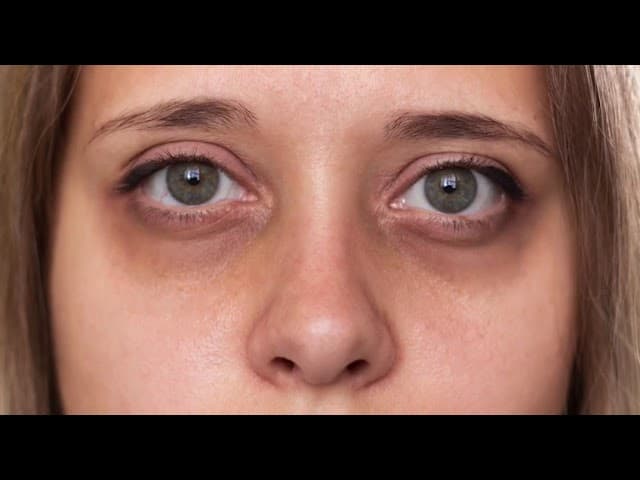
- Bags or puffiness beneath the eyes
- Loose skin on the upper or lower lids
- Hooded lids that hide the natural eyelid crease
- Eyelids that look uneven from one side to the other
See it explained
Upper eyelid position
Three simple pictures: a typical lid, a drooping lid and excess skin. They can look alike, which is why an examination matters.
| TypicalUpper eyelid | DroopingPtosis | Excess skinUpper lid | |
|---|---|---|---|
| Illustration |  |  |  |
| What it can look like | The lid edge sits near the top of the coloured part of the eye and the pupil is clear. | The lid edge sits lower than usual and may partly cover the iris or pupil. | An extra skin fold can hang over the crease or rest on the eyelashes. |
| Why assessment matters | Usually a normal finding. | An examination identifies the cause and whether vision is affected. | An examination distinguishes excess skin from a drooping lid and checks its effect on vision. |
| Next step | No treatment is needed for a typical lid position. | The doctor discusses the cause and the options that suit your eyes. | The doctor explains whether any treatment could help and what it can change. |
Know the signs
Reasons to ask for an assessment
- Eyelids that feel heavy or droop
- Upper eyelids that block part of your vision
- Needing to tilt your head back or lift your eyebrows to see clearly
- Eyes that feel tired or strained, especially by the end of the day
- Skin that rests on the lashes or irritates in the eyelid fold
- Bags or puffiness under the eyes
- One eyelid sitting lower than the other
- Eyelid changes that appeared suddenly
A drooping eyelid that appears suddenly, or comes with double vision, headache or eye pain, needs prompt medical attention.
What to expect
What an assessment involves
A general outline. Every step is explained before you decide anything, and you can ask questions at any point.
Consultation and history
The doctor asks what bothers you and why, and about your general health, medicines, any eye or thyroid conditions and any earlier eye or eyelid surgery.
Examination
The eyelids, the eyes and the surrounding skin and brow are examined. The doctor checks the position and movement of the eyelids, how well they close and the tear film, and works out whether excess skin, fat, a drooping lid or a combination is involved.
What is realistic
The doctor explains what surgery could change, what it could not, and whether other care would suit you better.
Risks and alternatives
The possible risks and the alternatives, including not having surgery, are discussed.
Your decision
You decide at your own pace. There is no obligation to go ahead.
Planning and aftercare
If you choose surgery, the centre explains how it is arranged, what to tell the team beforehand, what aftercare involves and what follow-up is advised.
Watch
Videos on this topic
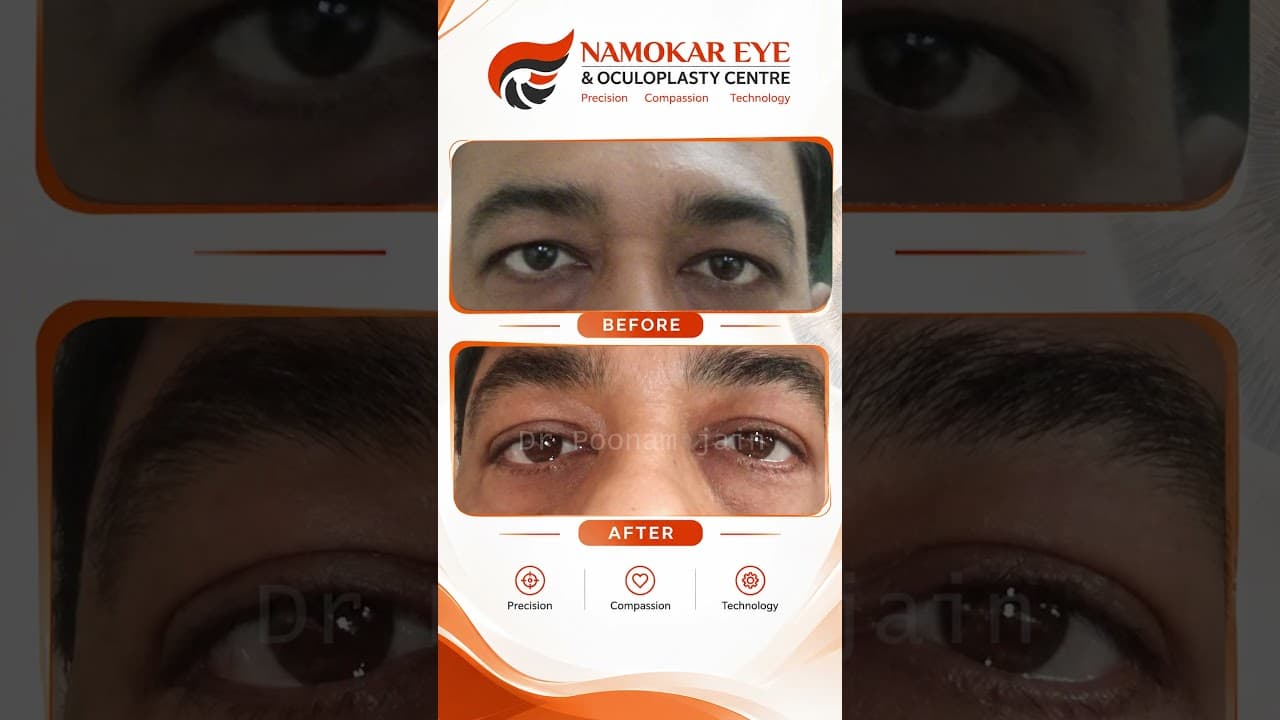
Dr. Poonam Jain's centre shares short videos on its YouTube channel and in its own footage.
Videos are general information, not a substitute for an examination. They complement the written information on this page.
Pressing play loads YouTube's player (privacy-enhanced mode). Watch on YouTube (opens in a new tab)
Pressing play loads YouTube's player (privacy-enhanced mode). Watch on YouTube (opens in a new tab)
Common questions
Questions patients often ask
This page is general information, not medical advice. Your own eyes need to be examined before anyone can advise you.
Is eyelid surgery the same as surgery for a drooping eyelid (ptosis)?
They are different. Blepharoplasty removes excess skin or fat. Ptosis surgery adjusts the muscle that lifts the eyelid. An examination shows which, or whether both, are relevant.
Is blepharoplasty only cosmetic?
No. For some people the main reason is functional, such as excess skin that blocks part of the view or makes the eyelids feel heavy. For others it is mainly about appearance, and many have a mixture. The doctor asks about both.
Who might be suitable for eyelid surgery?
It depends on what the examination finds, your general health, the health of the eye surface and what you hope to change. Some people are better served by other care, or by no treatment. The doctor explains this after assessing you.
Can the upper and lower eyelids be treated together?
Sometimes. The upper lids, lower lids or both may be considered, depending on what is causing the concern. The doctor advises after examining you.
Will I have visible scars?
Incisions are usually planned to lie in natural creases where possible, but scarring differs between people and no result can be promised. The doctor explains what to expect in your case.
Can eyelid surgery affect dry eyes?
It can sometimes cause temporary dryness or irritation, which is one reason the tear film and eye surface are checked first. Tell the doctor if your eyes are already dry or sore.
Will the result last for ever?
Eyelids continue to age. The doctor explains what to expect over time, and no result can be guaranteed.
What are the risks?
All surgery has risks, which can include swelling, bruising, infection, dryness and differences between the two sides. The doctor goes through them with you before you decide.
How long is recovery?
It differs between people and operations. Swelling and bruising are common at first, and your eyes may feel tight or dry. The doctor gives specific aftercare advice and explains what to expect in your case.
Speak to the centre about your eyes.
Contact the centre to plan your visit or arrange an eye consultation.
13A, Pocket A, Phase 3, Ashok Vihar, Delhi 110052