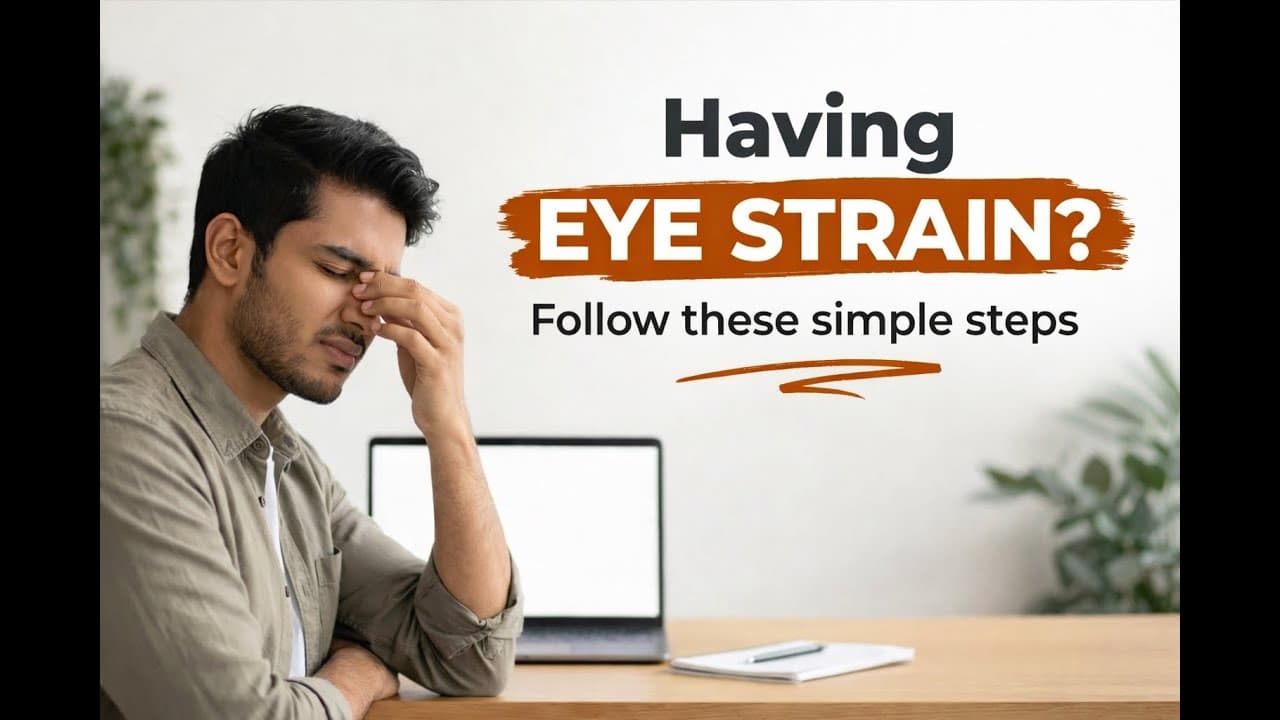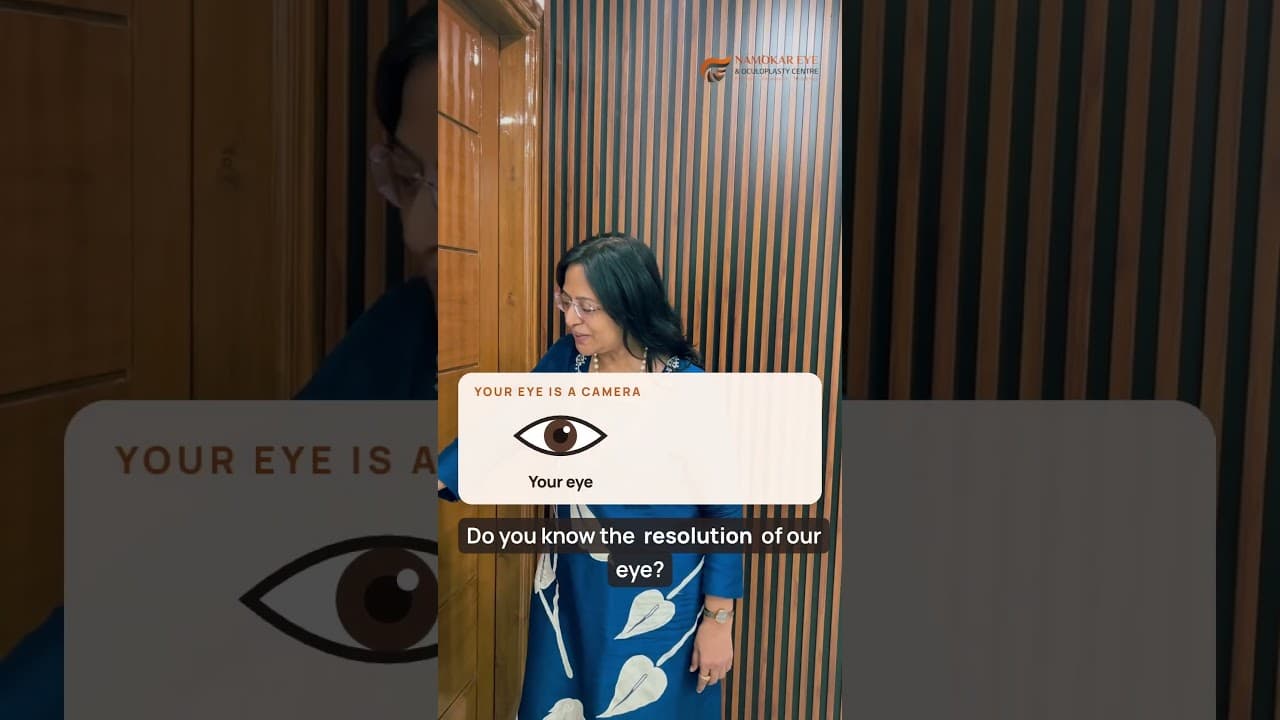
How well you see
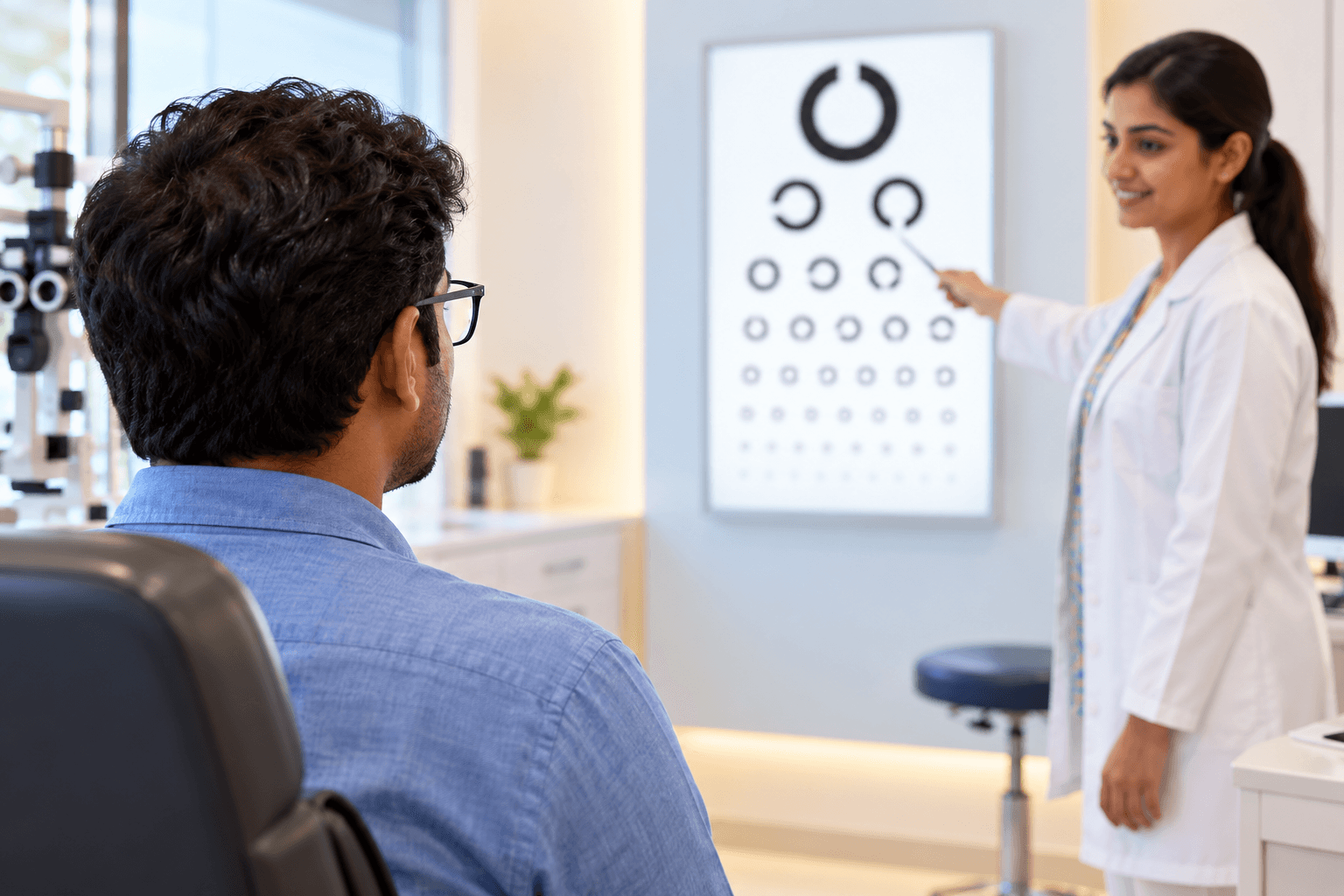
Your vision is checked with and without spectacles.
Comprehensive Vision Care
An examination looks at how well you see and how healthy your eyes are. It is where any further care begins, explained step by step.
Comprehensive Vision Care
A comprehensive eye examination looks at more than your spectacle number. The doctor checks how well you see, how your eyes work together and the health of the structures inside and around the eye. It is for adults and for children, whether or not they wear glasses.
Many eye conditions, such as cataract, glaucoma and the eye changes that can come with diabetes, develop slowly and without pain. An examination can find them before they cause obvious symptoms, which is often when they are easiest to manage.
It is also the starting point for any further tests or treatment. The tests used depend on your symptoms, age and health and are chosen by the doctor, who explains the findings in plain language so that you understand what comes next.
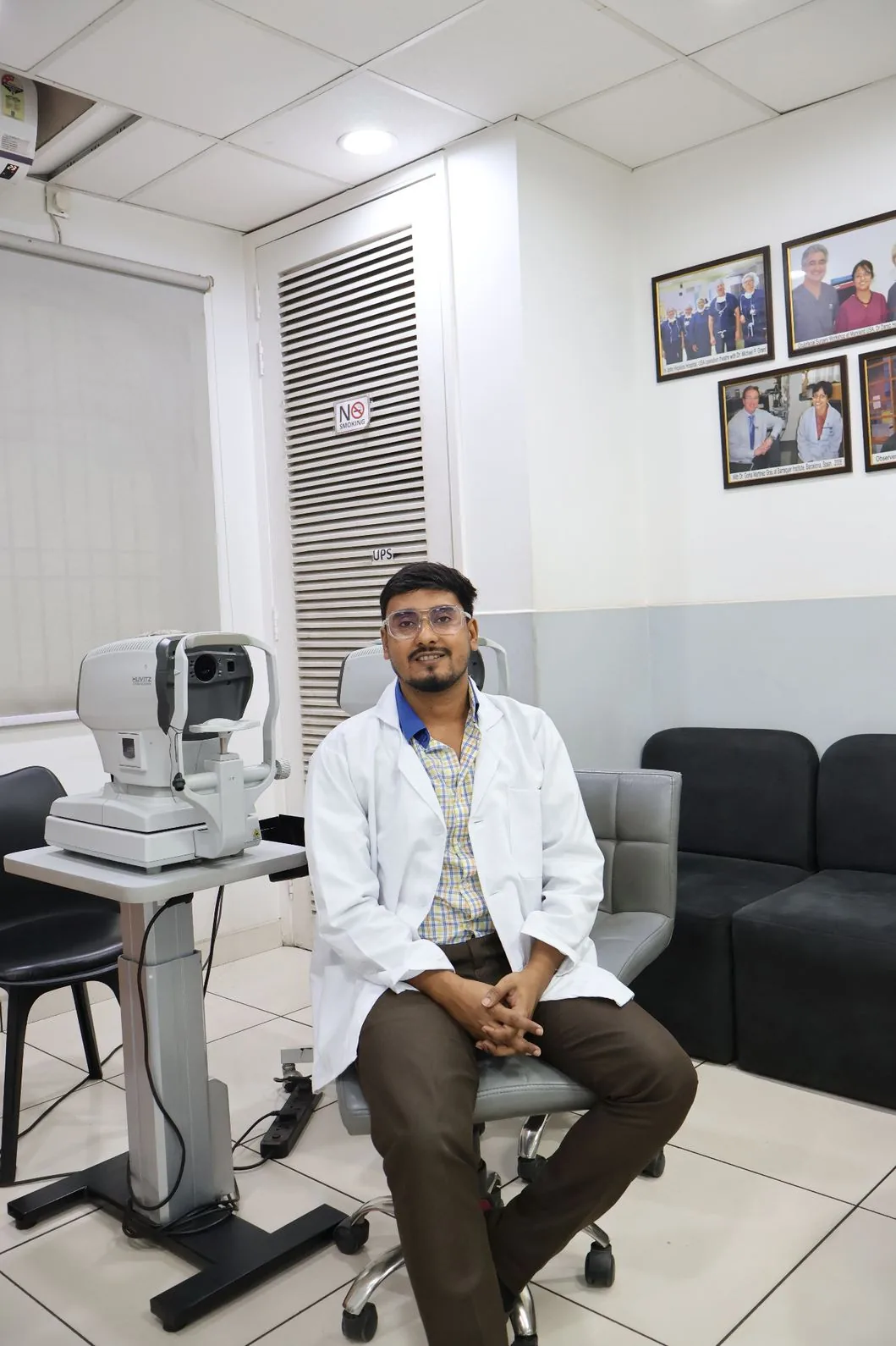
At the examination
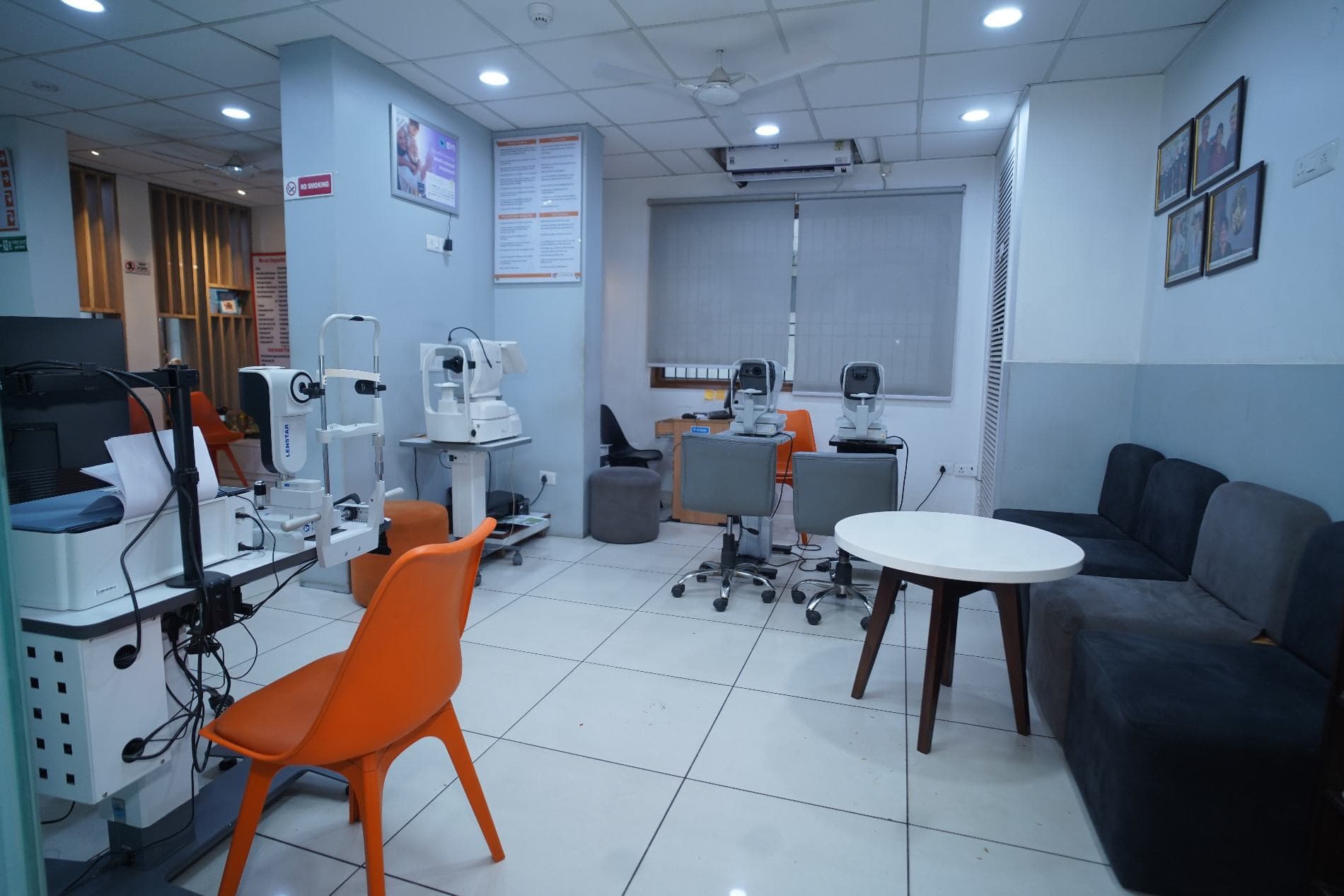
The tests used depend on your symptoms and age and are chosen by the doctor. This page does not list the equipment available.
See it explained
Each step checks a different part of your vision and eye health.
Your vision is checked with and without spectacles.
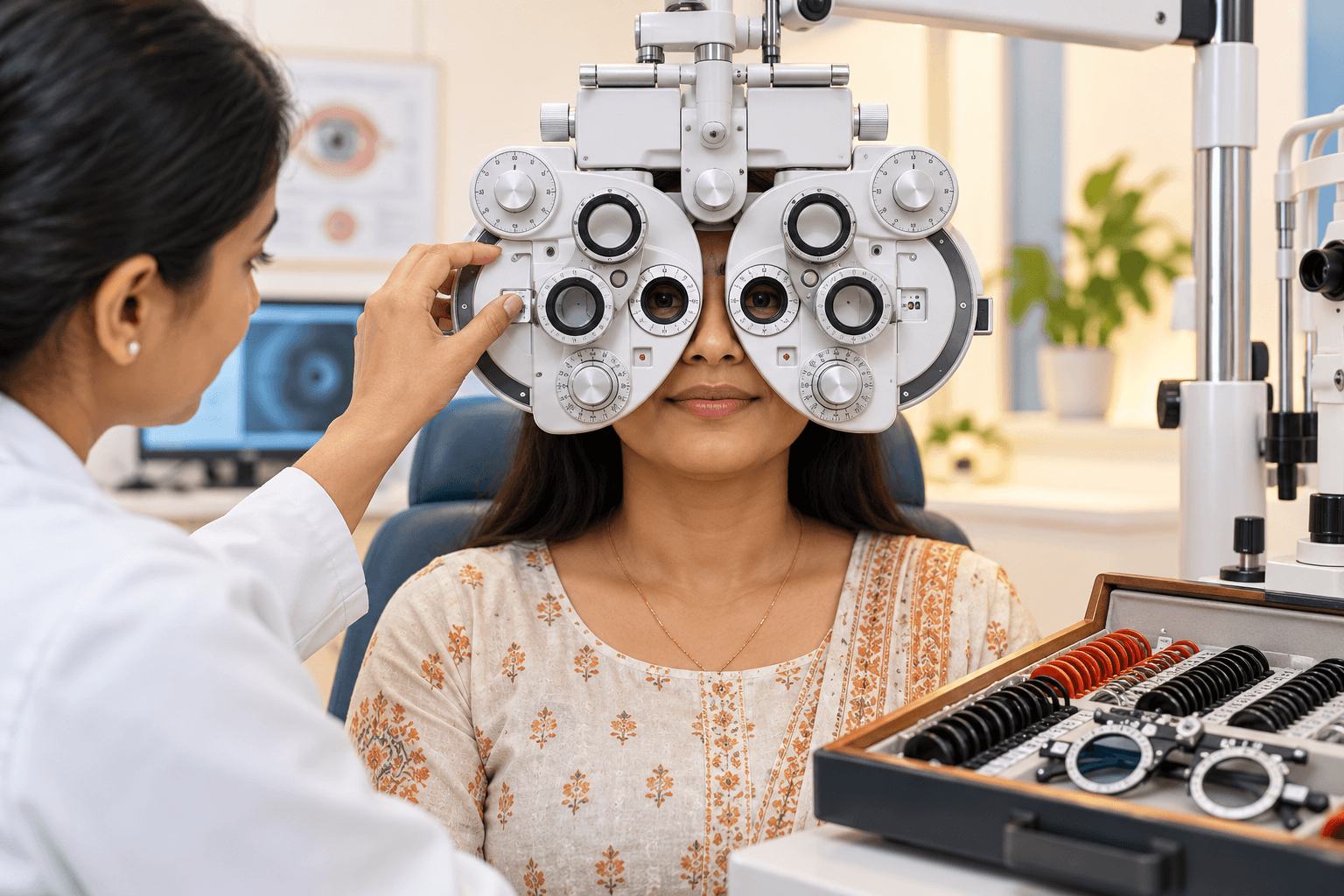
Your eyes are tested to see whether glasses would help, or whether your prescription has changed.
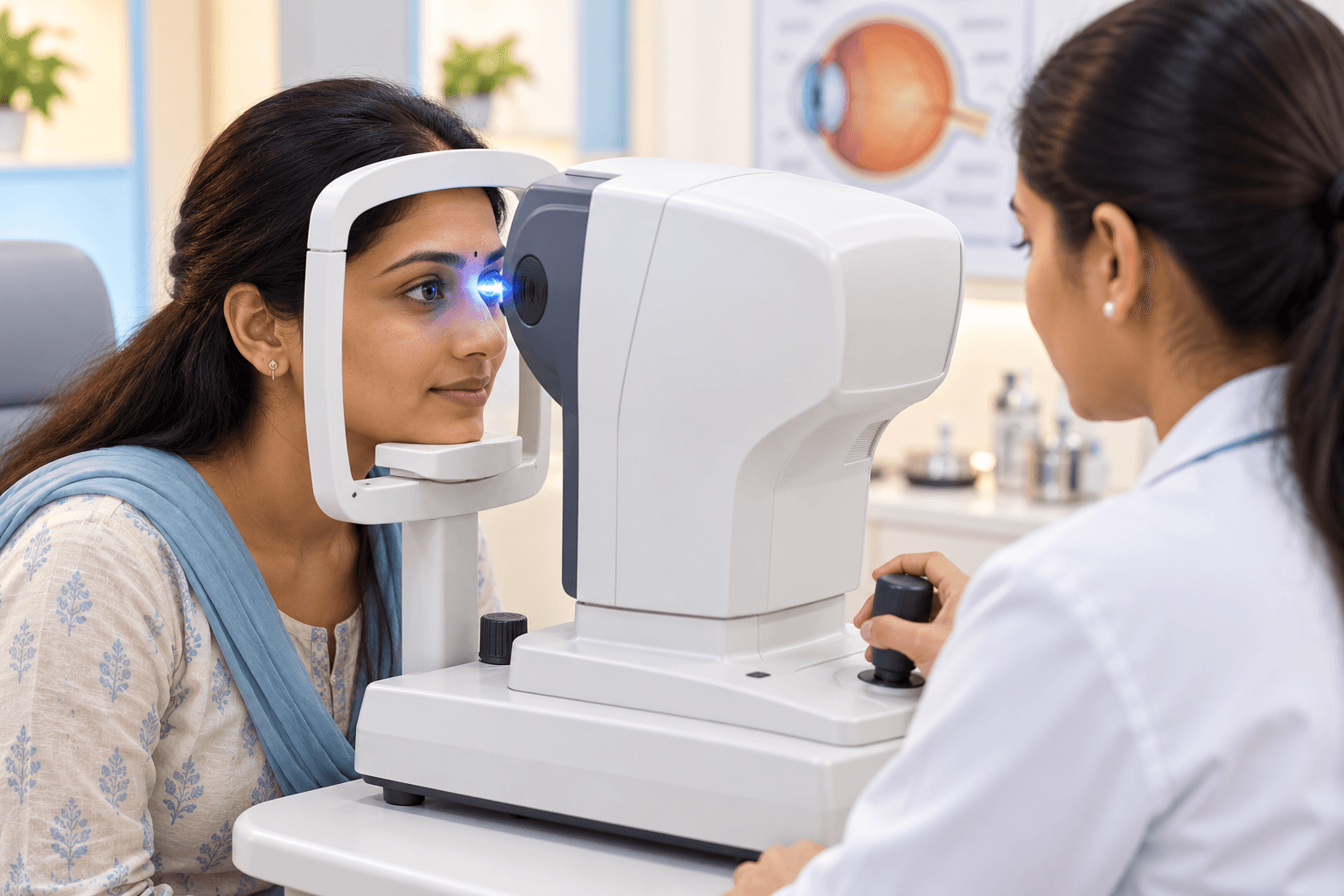
The pressure inside the eye may be measured as part of looking for conditions such as glaucoma.
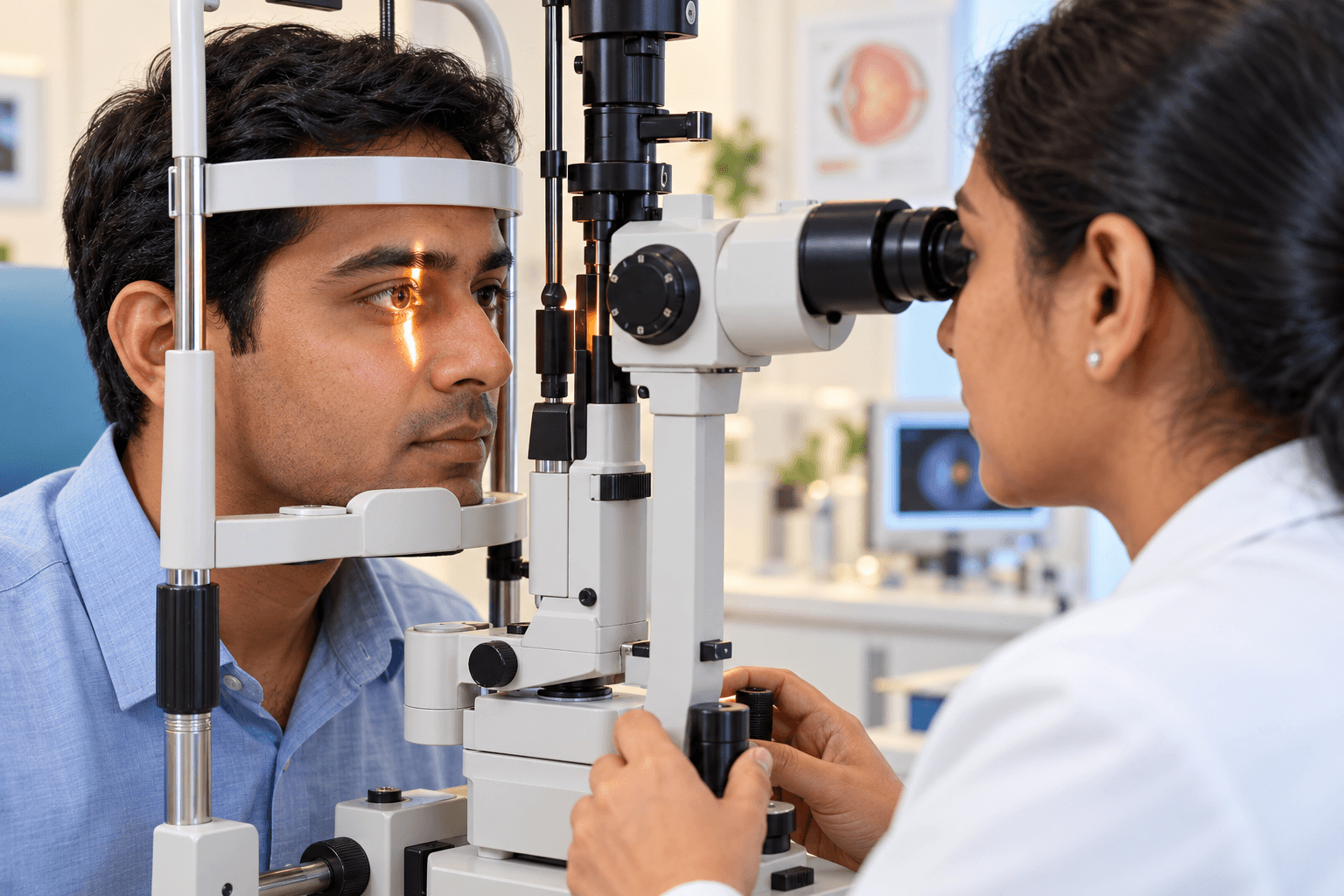
The eyelids, the surface of the eye and the lens are examined.
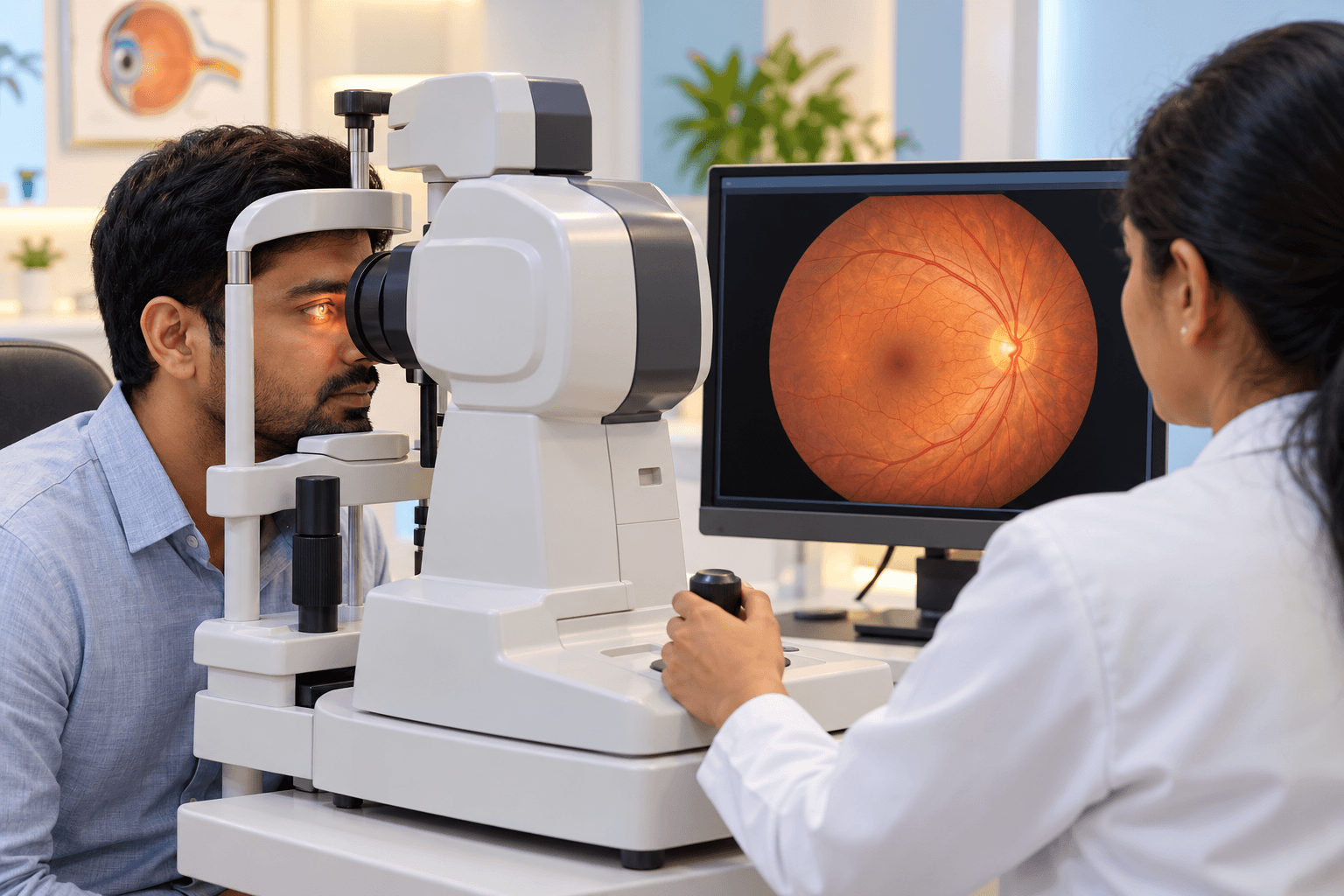
The retina and optic nerve are looked at, sometimes after drops that widen the pupil.
The tests used depend on your symptoms and age and are chosen by the doctor.
Know the signs
Sudden loss of vision, a new eye injury, or severe eye pain needs urgent medical attention. Do not wait for a routine appointment.
What to expect
A general outline of a visit. The tests used are chosen by the doctor, and you can ask questions at any point.
Bring previous prescriptions and eye reports, your current spectacles or contact lenses and a list of your medicines. Note down any symptoms and questions you want to raise.
The doctor asks about your vision, any symptoms, your general health, medicines and family history, because these shape which tests are useful for you.
Your vision is checked, and the front and back of the eye are examined. Some visits include drops that widen the pupil; they can blur vision for some hours, so ask whether to bring someone with you.
The findings are explained in plain language, and your questions are answered. If glasses would help, you are told what your eyes need.
If further tests or treatment are advised, the doctor explains why, what the options are and what to expect.
The doctor tells you when to have your eyes checked again, which depends on your age, health and what was found.
Watch
Dr. Poonam Jain's centre shares short videos on its YouTube channel and in its own footage.
Videos are general information, not a substitute for an examination. They complement the written information on this page.
Pressing play loads YouTube's player (privacy-enhanced mode). Watch on YouTube (opens in a new tab)
Pressing play loads YouTube's player (privacy-enhanced mode). Watch on YouTube (opens in a new tab)
Common questions
This page is general information, not medical advice. Your own eyes need to be examined before anyone can advise you.
It depends on your age, your health and any eye conditions. People with diabetes or a family history of eye disease are usually advised to have checks more regularly. The doctor will advise you.
A vision test only checks how clearly you see and whether glasses would help. A comprehensive examination also looks at the health of the eye, including the optic nerve and retina, and can find problems that do not yet affect your sight.
Often, yes. Cataract, glaucoma and some retinal changes can develop slowly without pain or obvious symptoms, so a regular examination is how they are usually found early.
Sometimes. They help the doctor see the back of the eye. They can blur near vision and make light uncomfortable for some hours, so avoid planning to drive straight afterwards.
Most parts are comfortable, though some drops can sting briefly. Tell the team if you are uncomfortable at any point.
Your current glasses or contact lenses, earlier prescriptions and eye reports, and a list of your medicines. If you have diabetes or other health conditions, bring any recent reports too.
Yes, if there are signs such as squinting, sitting very close to screens, frequent eye rubbing or difficulty at school, or if there is a family history of eye problems. Children cannot always say that something is wrong with their eyes.
Please call the centre to ask about arranging an eye consultation.
Contact the centre to plan your visit or arrange an eye consultation.
MIG Flats, Pocket C, near Satyawati College, Opposite Madrina Restaurant, Pocket A, Phase 3, Ashok Vihar, Delhi 110052